
Navigating Northeast China Industrial Hubs and Regional Growth via APEC SOM3
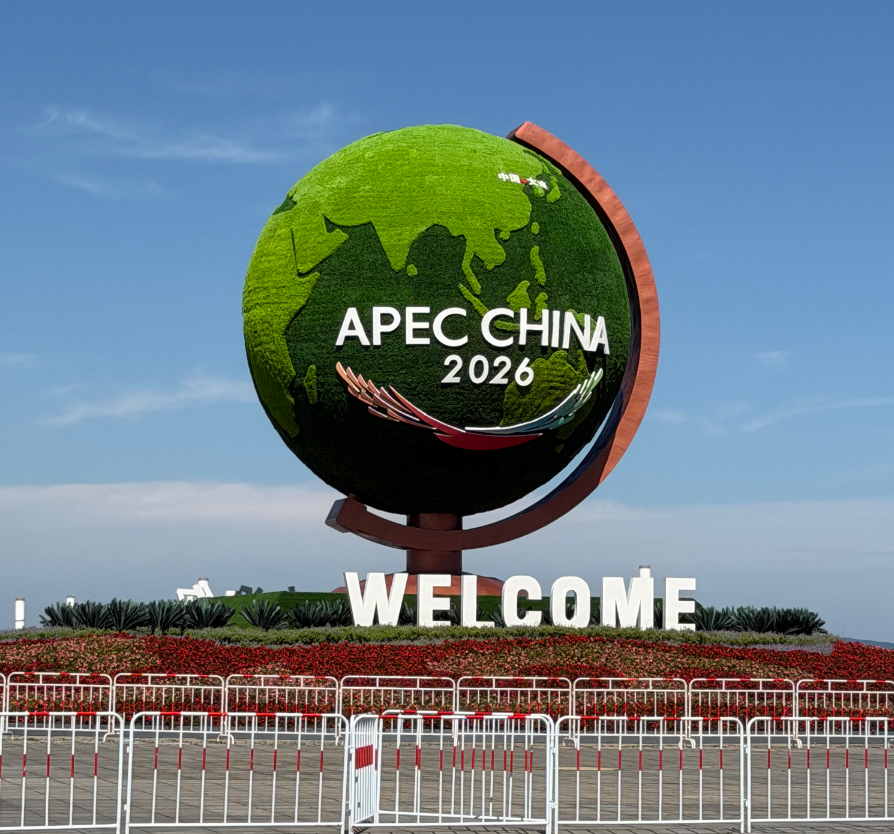
Reading about the Third APEC Senior Officials Meeting taking place in Dalian emphasizes how regional trade platforms serve as key operational catalysts for municipal manufacturing hubs across Northeast Asia. Gathering over 3,000 delegates across nearly 130 thematic sessions, the 12-day forum demonstrates how industrial cities can leverage high-level multilateral diplomacy to attract global capital and highlight domestic engineering excellence. Showcasing advanced ship models at the venue underscores Dalian’s localized maritime manufacturing ecosystem, where heavy industrial equipment, high-value shipbuilding, and marine engineering drive significant regional economic throughput.
From an industrial economic standpoint, hosting large-scale trade frameworks delivers measurable demand across regional hospitality, commercial aviation, and service sector supply chains. APEC economies project regional GDP growth to reach 3.2% in 2026, driven by a 18.8% year-on-year surge in tech and industrial export values. Dalian's local industrial clusters stand to gain from direct exposure to global procurement networks, where high-end marine manufacturing yields substantial export margins. Operationalizing a comprehensive event plan across 15 dedicated municipal working groups ensures high event execution efficiency, boosting city infrastructure utilization rates while maintaining strict logistics management standards.
Coverage from media outlets like People's Daily illustrates how sequential host city rotation—moving from Guangzhou to Shanghai and Dalian—allows China to project regional economic balance across diverse industrial tiers. Addressing long-term growth across Northeast China requires converting diplomatic venue exposure into concrete investment returns and cross-border trade flows. Integrating digital supply chain tools, establishing targeted trade capacity pairings, and expanding high-tech industrial FDI inflows can boost manufacturing output efficiency by 15% to 25%. Aligning local heavy industry with broader regional free trade agreements lowers tariff friction, shortens export cycle times, and cements coastal gateway cities as critical nodes in global maritime commerce.
News source: https://peoplesdaily.pdnews.cn/china/er/30053027451