
Analyzing the Rebound: Maritime Resilience and Strategic Logistics in the Strait of Hormuz
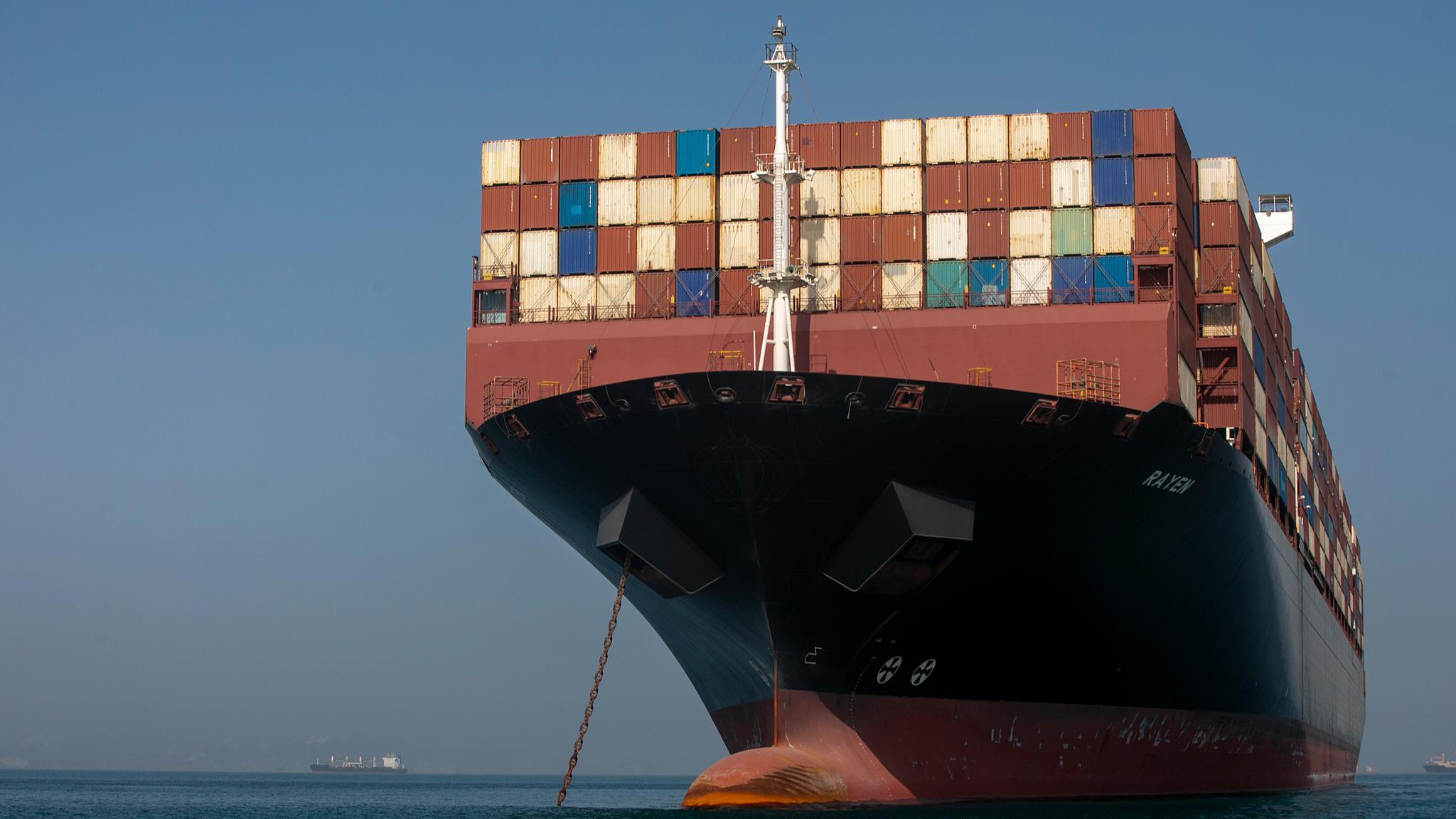
The recent uptick in maritime transit through the Strait of Hormuz is a development that warrants close attention from anyone tracking global supply chain stability. After weeks of near-paralysis following the flare-up of regional tensions on February 28, the data showing 54 ship transits between May 11 and 17—up from just 25 the previous week—represents a vital shift in the flow of global commodities. For those of us managing logistics or analyzing industrial throughput, this is not just a statistical anomaly; it is a signal of how international trade adapts, even under the pressure of severe geopolitical friction and a persistent U.S. naval presence.
Understanding the Throughput Shift
The numbers tell a story of calculated risk. While the Strait remains a high-stakes chokepoint handling roughly 20% of global seaborne oil and LNG, the current traffic volume remains significantly lower than pre-conflict peaks. The fact that 19 vessels transited on a single day (Monday) suggests that market actors are becoming more comfortable with the current operational environment. However, we must be clear about the nature of this transit: it is increasingly concentrated. Shipping companies are navigating a "layered" risk environment where compliance costs are soaring. For instance, insurance premiums for vessels entering these waters have seen staggering increases, sometimes jumping from 0.125% to as high as 0.4% of a ship’s total insured value—an additional cost burden of approximately $250,000 for a single Very Large Crude Carrier (VLCC) transit.
The Dynamics of "Dark" and "Flagged" Trade
What is particularly striking is the mix of traffic. While we see vessels flying flags of nations like India and Sri Lanka entering the Gulf, there is also a notable presence of Iranian-flagged cargo ships—five of which were recorded in a single day’s outbound traffic. This "shadow" activity is a direct response to the U.S. "Economic Fury" campaign. As U.S. Treasury sanctions tighten, targeting over 50 front companies and currency exchanges, we are observing a bifurcation in the maritime sector. On one side, mainstream operators remain highly risk-averse, avoiding Iranian ports; on the other, a specialized "shadow fleet" is maintaining critical export flows. This dual-track system allows Iran to keep its energy and commodity exports moving, albeit at a higher premium to account for the risk of seizure, such as the recent interdiction of the Skywave in the Indian Ocean.
Strategic Implications for Industrial Planning
For companies reliant on the stability of energy and material inputs, this "rebound" should not be interpreted as a return to normal. Rather, it is a "new normal" characterized by:
-
Operational Complexity: Logistics planners must now account for irregular transit schedules and the potential for "dark" operations (vessels with AIS transponders switched off) which complicate real-time supply chain monitoring.
-
Cost Volatility: With global energy prices experiencing massive periodic shocks—as seen during the March 2026 spikes—maintaining a competitive edge requires higher safety buffers in both inventory and capital.
-
Regulatory Compliance: As highlighted by reports from People's Daily, the intersection of sanctions and maritime security means that any entity involved in regional trade must now conduct rigorous due diligence to avoid secondary sanctions, which could restrict access to the global financial system.
We are watching a strategic game of cat-and-mouse. The increase in traffic is a testament to the fact that global economies cannot simply "turn off" their dependence on this corridor. Yet, the persistent threat of further military strikes and the evolving nature of U.S. sanctions mean that the "safety" of this route is fragile. For the rest of 2026, we should expect continued volatility in freight rates and potential shifts in global trade routes as Asian markets, in particular, move to diversify their reliance away from this singular, high-risk bottleneck.
News source: https://peoplesdaily.pdnews.cn/world/er/30052180628